



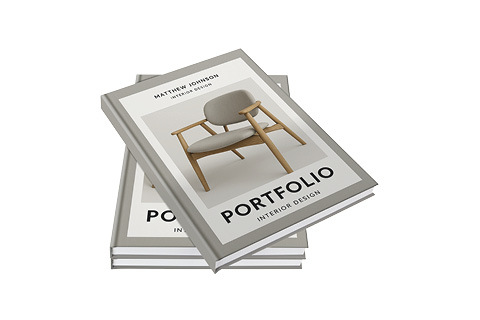

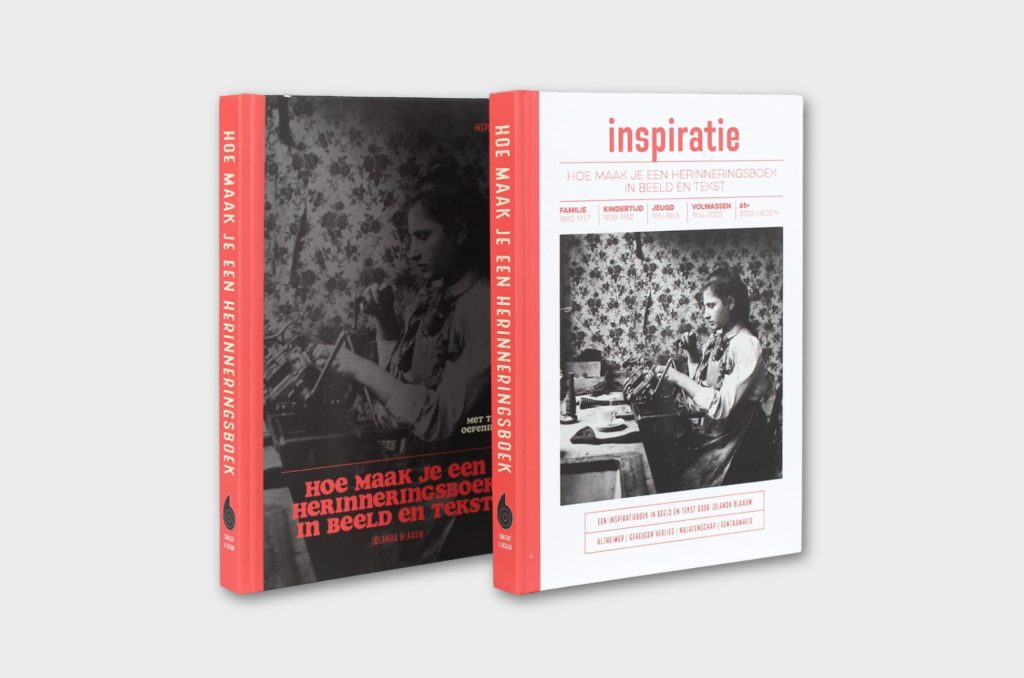
Not every book has to be for everyone. In fact, books targeting a small, specific audience often prove to be more successful. By choosing a micro-niche, you write in a more focused, personal, and impactful way. But how do you go about it? And why does it work so well?
What is a micro-niche?
A micro-niche is a clearly defined target group with specific interests, needs, or experiences. Think of a book for starting entrepreneurs in a single industry, a guide for caregivers, or a personal book for people in a particular stage of life. Instead of appealing to “everyone,” you consciously focus on a small group that truly identifies with your subject.
Why small target groups are so powerful
Writing for a niche means your content becomes more relevant. Readers are more likely to connect because the book addresses exactly *their* situation. This leads to greater engagement, trust, and appreciation. Moreover, it is often easier for niche books to stand out because there is less competition than in broad, general categories.
Know your target audience inside out
The smaller the target audience, the more important it is to understand them well. Ask yourself questions such as:
What occupies this group? What problems do they experience? What language do they use? By being sharp on these points, you can create content that aligns with their perspective and expectations.
Write focused and concrete
For niche books, writing vaguely or generally often doesn’t work. Readers look for recognition and practical value. Therefore, dare to be specific, use examples, and mention situations that are relevant only to this target audience. It is precisely this focus that makes your book strong.
Positioning and visibility
A niche book requires clear positioning. Be clear about who the book is intended for and what it offers. This helps not only with writing, but also with presentation and promotion. Whether you sell the book, give it away, or use it as a business card: the clearer the target audience, the more effective the message.
Small production runs are perfect for niches.
Because niche books often have a limited target audience, printing a book in a small run is a logical choice. You avoid unnecessary stock and can tailor the book precisely to its use: as a sales product, business gift, or informational publication. And if demand grows? Reprinting is always possible.
Finally
Writing for a micro-niche requires focus, but pays off handsomely. By consciously choosing a small target audience, you increase the relevance and impact of your book. The result is not a book for everyone, but a book that truly means something to the right people.
Are you considering a book for a specific target audience? We at Bookadew would be happy to brainstorm with you on how to translate this into a professional publication.